How to Start DJing as a Complete Beginner in London
Starting your DJ journey can feel exciting and overwhelming at the same time. Many people dream of playing music for others, performing at events, or becoming part of London’s incredible music scene, but they are unsure where to begin.
The good news is that anyone can learn how to DJ with the right guidance, practice, and dedication. You do not need previous experience, expensive equipment, or professional music knowledge to get started.
Learning DJing is about developing a combination of technical ability, creativity, confidence, and an understanding of music. With a structured approach, beginners can build strong foundations and gradually progress towards performing professionally.
London is one of the best cities in the world to begin learning DJ skills. With its famous nightlife, diverse music culture, and thriving entertainment industry, the city provides an inspiring environment for aspiring DJs.
This guide explains exactly how to start DJing as a complete beginner, what equipment you need, which skills to learn first, and how professional training can help you progress faster.
Can Anyone Learn How to DJ?
Yes, anyone can learn how to DJ.
Many people assume that successful DJs are naturally talented musicians or have years of experience before they begin. While passion for music is important, DJing is a skill that can be developed through learning and practice.
Modern DJ technology has also made it easier than ever for beginners to start. Affordable controllers, powerful software, and professional training resources allow new DJs to learn the fundamentals from the beginning.
The most important qualities for a beginner DJ are curiosity, patience, and the willingness to practise consistently.
Understanding What a DJ Actually Does
Before learning the technical side of DJing, it is important to understand what DJs actually do.
A DJ does much more than simply play songs one after another. A skilled DJ creates an experience by selecting the right music, controlling the energy of a room, and creating smooth transitions between tracks.
Professional DJs spend time preparing their music, understanding their audience, and developing a unique style that makes their performances memorable.
DJing combines technology and creativity. The equipment allows you to control the music, but your decisions and musical understanding are what create a great performance.
Step One: Learn the Basics of DJ Equipment
The first step when learning how to start DJing is becoming familiar with the equipment.
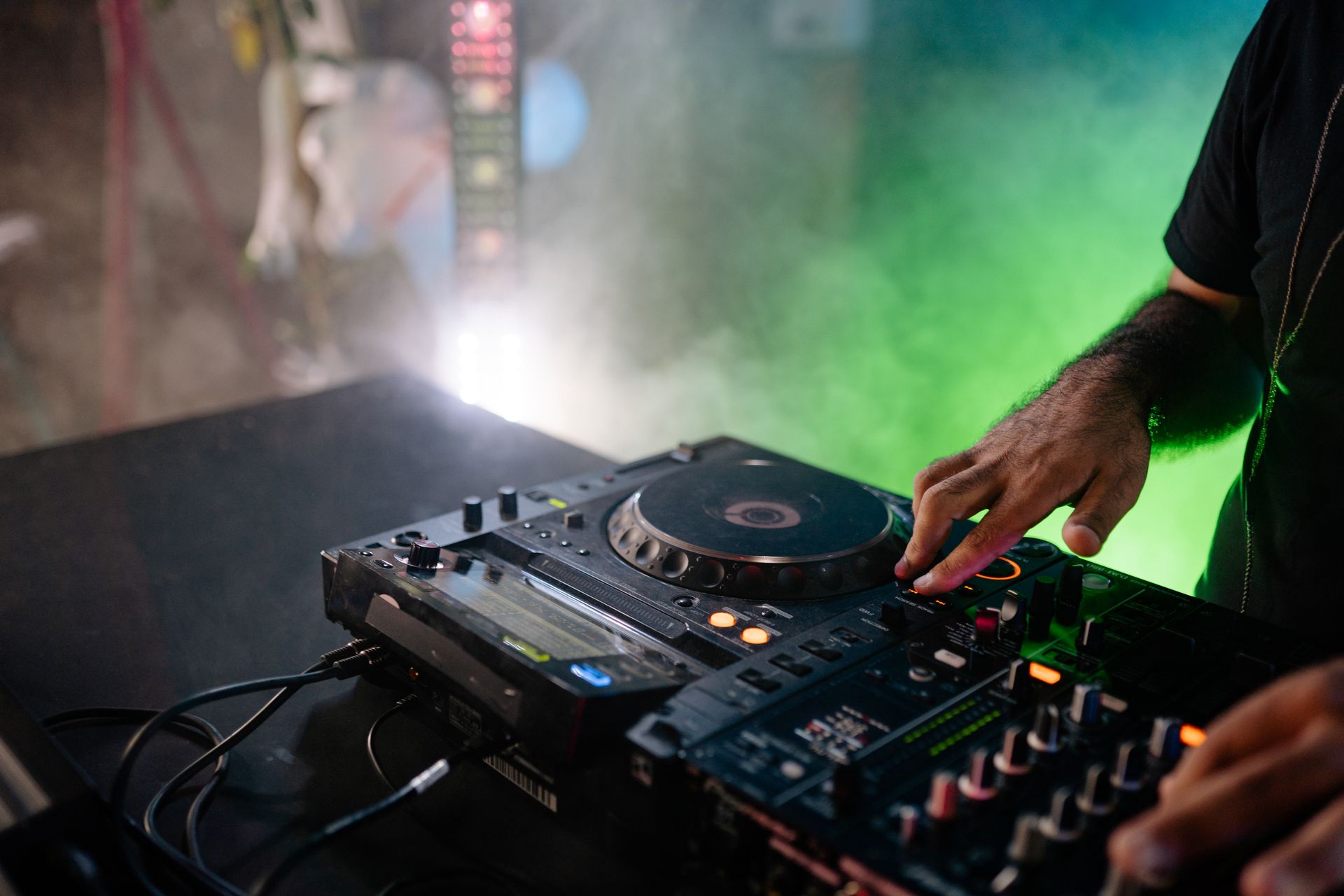
Modern DJs typically use a controller or professional decks connected to DJ software. These tools allow you to control tracks, adjust tempo, create transitions, and shape the sound during a performance.
Beginners should take time to understand the purpose of each control rather than simply pressing buttons.
Important areas to learn include:
- Jog wheels
- Tempo controls
- Channel faders
- EQ controls
- Headphone cueing
- Effects
Understanding your equipment creates confidence and gives you better control over your mixes.
Step Two: Choose the Right Beginner DJ Setup
You do not need a professional club setup when you are first starting.
Many successful DJs begin with a simple home setup that allows them to practise regularly. The goal at the beginning is not to own expensive equipment but to develop your skills.
A beginner setup usually includes a DJ controller, DJ software, headphones, and a laptop.
As your skills improve and your goals become clearer, you can gradually upgrade to more advanced equipment.
Step Three: Learn DJ Software
DJ software is an essential part of modern DJing.
Programs such as Rekordbox, Serato DJ, and other professional platforms allow DJs to organise music, prepare sets, analyse tracks, and control performances.
Learning DJ software helps beginners understand how professional DJs prepare before performing.
A strong understanding of software allows you to spend less time struggling with technology and more time focusing on creativity and performance.
Step Four: Understand Beatmatching
Beatmatching is one of the fundamental skills every beginner DJ should learn.
Beatmatching involves aligning the tempo and timing of two tracks so they blend smoothly together.
Although modern software can assist with tempo matching, understanding the technique manually helps DJs develop better timing and musical awareness.
Learning beatmatching teaches beginners how songs work together and creates a stronger foundation for advanced mixing techniques.
Step Five: Learn How to Mix Songs
Mixing is the process of combining different tracks in a way that sounds smooth and natural.
A good DJ understands when to introduce a new song, when to remove elements of the current track, and how to maintain the energy of the performance.
Beginners should focus on creating clean transitions rather than trying complicated techniques too early.
Simple, well-timed mixes are often more effective than overly complicated performances.
Step Six: Build Your Music Knowledge
One of the biggest differences between a beginner DJ and a professional DJ is music knowledge.
Great DJs understand their chosen genres, discover new tracks, and know how different songs work together.
Building your music library takes time. It involves listening carefully, organising tracks, and understanding how different songs create different emotions and energy levels.
A DJ’s music selection is often what separates an average performance from an unforgettable one.
How Long Does It Take to Learn DJing?
The time required to learn DJing depends on how regularly you practise and the level you want to achieve.
Some beginners can learn basic mixing within a few weeks, while developing professional-level skills requires months or years of experience.
Consistent practice is the biggest factor in improving. A beginner who practises regularly will usually progress faster than someone who only practises occasionally.
Should Beginners Take DJ Lessons?
While it is possible to learn DJing independently, professional lessons can make the learning process much easier.
Many beginners struggle because they do not know which skills to learn first or how to practise effectively.
A professional DJ instructor can provide guidance, correct mistakes, and create a structured path that helps students improve faster.