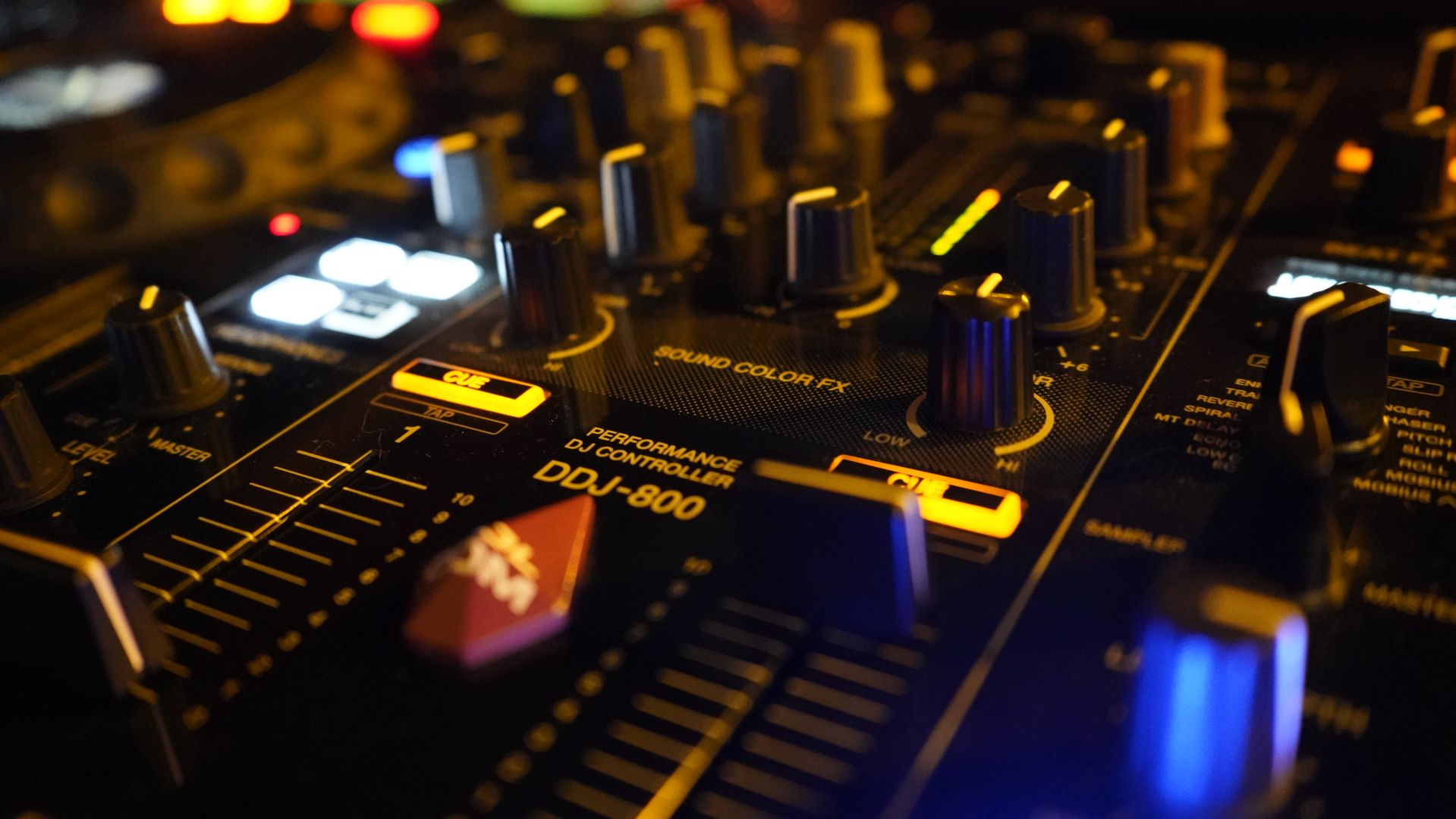
What Skills Do You Need to Become a Successful DJ?
Becoming a successful DJ involves much more than simply knowing how to play songs and use DJ equipment. While technology has made it easier than ever to start DJing, developing the right skills is what separates a beginner from a confident and professional performer.
A great DJ combines technical ability, musical understanding, creativity, and the confidence to connect with an audience. These skills take time to develop, but with consistent practice and the right guidance, anyone with passion for music can improve.
Whether your goal is to DJ at private events, perform in clubs, create mixes online, or build a professional career, understanding the key skills required will help you create a stronger foundation.
In this guide, we will explore the most important skills every successful DJ needs and explain how beginners can develop them.
Technical DJ Skills
Technical ability is one of the foundations of DJing. A DJ needs to understand how equipment works and how to use it effectively during a performance.
While modern DJ software provides many helpful features, understanding the technical side allows DJs to have more control and creativity.
Technical skills include understanding controllers, mixers, decks, DJ software, and the different tools used to create smooth performances.
Understanding DJ Equipment
A successful DJ needs to feel comfortable using their equipment.
This includes understanding how different controls affect the music and knowing how to make adjustments quickly during a performance.
Equipment knowledge helps DJs stay confident and focused because they are not distracted by technical problems.
Beatmatching
Beatmatching is one of the most important skills every DJ should learn.
It involves matching the tempo and timing of two tracks so they blend together smoothly.
Although many modern systems can automatically match tempos, understanding beatmatching helps DJs develop stronger timing, rhythm, and control.
This skill gives DJs a better understanding of how music works and allows them to create more natural transitions.
Mixing Techniques
Mixing is the process of combining different tracks together in a way that sounds smooth and professional.
A skilled DJ understands when to introduce a new track, how to transition between songs, and how to maintain the energy of a performance.
Good mixing requires practice, timing, and an understanding of how different songs interact with each other.
Music Knowledge
One of the biggest differences between an average DJ and a great DJ is music knowledge.
Professional DJs do not simply collect thousands of tracks. They understand their music and know how different songs can influence an audience.
Strong music knowledge helps DJs make better decisions during performances and create sets that feel connected and enjoyable.
Understanding Different Genres
Successful DJs understand the characteristics of the genres they play.
They know the rhythms, structures, energy levels, and styles that define different types of music.
This knowledge allows DJs to choose tracks that work well together and create a more engaging experience.
Track Selection
Choosing the right song at the right moment is one of the most valuable skills a DJ can develop.
A technically perfect mix can still fail if the music selection does not connect with the audience.
Professional DJs understand the mood of a room and select tracks that support the atmosphere they want to create.
Understanding Song Structure
Great DJs understand how songs are built.
Most electronic music follows patterns that include introductions, build-ups, breakdowns, drops, and endings.
Understanding these structures allows DJs to know when to transition between tracks and create smoother performances.
This knowledge also helps DJs create better energy flow throughout a set.
Performance Skills
DJing is a performance skill. A DJ is responsible for creating an experience, not just playing music.
Performance ability develops through practice and real-world experience.
A successful DJ needs to feel comfortable making decisions quickly and adapting to different situations.
Reading the Crowd
One of the most important skills for professional DJs is understanding the audience.
A DJ must be able to recognise how people are responding and adjust the music accordingly.
This means understanding when to increase energy, when to slow things down, and when to introduce something unexpected.
Confidence Behind the Decks
Confidence is essential for any DJ performance.
Many beginners struggle with nerves, especially when playing in front of other people.
Confidence comes from preparation, practice, and experience. The more comfortable you become with your equipment and music, the easier it becomes to perform naturally.
Creativity and Personal Style
Successful DJs develop their own identity over time.
While it is useful to learn from experienced DJs, the goal is not to copy someone else completely. Great DJs create their own style through their music choices, mixing approach, and personality.
Creativity allows DJs to stand out and create memorable performances.
Organisation and Preparation
Professional DJs spend significant time preparing before they perform.
Good preparation includes organising music, creating playlists, understanding tracks, and planning possible directions for a set.
A prepared DJ feels more confident and can adapt more easily during a performance.
Communication and Networking Skills
DJing is not only about music. Building relationships is also an important part of developing a career.
Successful DJs communicate with venue owners, promoters, other artists, and audiences.
Networking can create opportunities and help DJs become part of the wider music community.
Understanding DJ Software
Modern DJs rely heavily on software to prepare and perform their sets.
Understanding DJ software helps DJs organise music, create playlists, set cue points, and manage performances more efficiently.
Learning software such as Rekordbox or Serato DJ can improve both preparation and performance.
Developing the Right DJ Mindset
Technical skills and music knowledge are important, but successful DJs also develop the right mindset.
DJing requires patience, discipline, and a willingness to keep improving. Many beginners become frustrated because progress can feel slow at the beginning, but improvement comes from consistent effort and learning from experience.
A professional DJ understands that every practice session, performance, and mistake is an opportunity to improve.
The best DJs continue learning throughout their careers because music, technology, and audience expectations are constantly changing.
Adaptability: A Skill Every DJ Needs
No two DJ performances are exactly the same.
A professional DJ must be able to adapt to different environments, audiences, and situations.
A set that works perfectly in one venue may not have the same effect somewhere else. Successful DJs understand how to adjust their music selection and approach depending on the situation.
Adaptability helps DJs stay confident and deliver better performances regardless of the environment.
Problem-Solving Skills
Professional DJs often face unexpected situations during performances.
Technical issues, changes in audience response, or unexpected requests can happen at any time.
A skilled DJ remains calm and finds solutions quickly.
Developing problem-solving skills allows DJs to handle pressure and maintain a professional performance even when things do not go exactly as planned.
Building Your Own DJ Identity
Many aspiring DJs focus only on learning technical skills, but developing a personal identity is equally important.
Your DJ identity is what makes you recognisable. It can come from your music choices, mixing style, personality, or the atmosphere you create during performances.
Successful DJs do not simply copy others. They take inspiration from different artists and combine those influences to create something unique.
Finding your own style takes time, but it is an important part of building a long-term DJ career.
Career Skills for Professional DJs
Becoming a professional DJ involves more than performing music. DJs who want to build a career also need skills related to promotion, branding, and business.
The modern DJ industry is competitive, and successful artists need to understand how to create opportunities for themselves.
Personal Branding
A strong personal brand helps DJs stand out in a crowded industry.
This includes creating a consistent identity across social media, promotional materials, and performances.
A professional brand helps audiences remember you and can create more opportunities for bookings.
Social Media Skills
Social media has become an important tool for DJs to connect with audiences and showcase their work.
Sharing mixes, performance clips, behind-the-scenes content, and music discoveries can help DJs build an online presence.
Using social media effectively allows emerging DJs to reach new audiences and develop their reputation.
Networking
Relationships play a major role in the music industry.
Connecting with other DJs, producers, promoters, and venues can create valuable opportunities.
Many successful DJs progress because they become part of a wider music community and build genuine professional relationships.
How Long Does It Take to Develop DJ Skills?
The time required to develop DJ skills depends on your dedication, practice routine, and learning approach.
Some beginners can understand the basics within a few weeks, while developing professional-level confidence usually takes much longer.
The most important factor is consistency. Regular practice, learning from feedback, and gaining performance experience will help you improve faster.
Can You Learn DJ Skills Without Professional Training?
It is possible to learn DJ skills independently using online resources, tutorials, and personal practice.
However, many beginners find it difficult to know where to start or how to structure their learning.
Professional training provides a clear pathway, allowing students to learn important skills in the correct order while receiving feedback from experienced DJs.
This can help beginners avoid developing poor habits and make faster progress.
How London DJ Academy Helps You Develop Professional DJ Skills
London DJ Academy helps students develop the complete range of skills needed to become confident DJs.
The focus is not only on learning equipment but also on understanding music, improving technique, and developing performance ability.
Through practical training, students can learn how to:
- Use professional DJ equipment
- Create smooth mixes
- Prepare effective DJ sets
- Develop confidence behind the decks
- Understand professional DJ techniques
With guidance from experienced instructors, beginners can build strong foundations and progress towards their personal DJ goals.
Frequently Asked Questions
What is the most important skill for a DJ?
While technical ability is important, music knowledge and the ability to connect with an audience are some of the most valuable skills a DJ can develop.
Do DJs need musical experience?
No. Previous musical experience can be helpful, but anyone can learn DJ skills with the right training and practice.
How can I improve my DJ skills faster?
Consistent practice, professional guidance, recording your mixes, and learning from feedback can help you improve more quickly.
What makes a DJ successful?
A successful DJ combines technical ability, creativity, confidence, music knowledge, and the ability to create memorable experiences.
Can DJ skills become a career?
Yes. Many DJs build careers through performances, events, music production, networking, and developing their own brand.
Conclusion
Becoming a successful DJ requires a combination of technical skills, creativity, music knowledge, and confidence.
The best DJs understand that improvement comes from continuous learning and practice. Equipment can help you perform, but your skills and understanding of music are what create a memorable experience.
Whether you are starting as a hobby DJ or working towards a professional career, developing the right skills will help you progress with confidence.
Join London DJ Academy and learn the essential skills needed to become a confident, creative, and professional DJ.