DJ vs Producer Difference and Which Career Is Right for You
Many people who love music wonder whether they should become a DJ, a music producer, or both. While DJs and producers are both important parts of the music industry, their roles are very different.
A DJ focuses on selecting, mixing, and performing music for an audience, while a producer creates and develops the music itself. However, in today’s music industry, many successful artists combine both skills to create a complete career.
Understanding the difference between a DJ and a producer can help you decide which direction suits your interests, goals, and creative style.
Whether you want to perform in clubs, create your own tracks, or build yourself as an artist, learning the differences between these paths is an important first step.
What Does a DJ Do?
A DJ is responsible for selecting and playing music in a way that creates an experience for an audience.
DJs perform by mixing different tracks together, controlling energy levels, and creating a journey through music.
A professional DJ understands how to read a crowd, choose the right songs, create smooth transitions, and adapt their performance based on the environment.
Modern DJs perform in many different settings, including clubs, festivals, private events, radio shows, and online platforms.
What Skills Does a DJ Need?
Successful DJs develop a combination of technical, creative, and performance skills.
Important DJ skills include understanding equipment, mixing techniques, beatmatching, music preparation, and crowd awareness.
A DJ also needs confidence and the ability to make decisions quickly during live performances.
While technology has made DJing more accessible, developing professional skills still requires practice and dedication.
What Does a Music Producer Do?
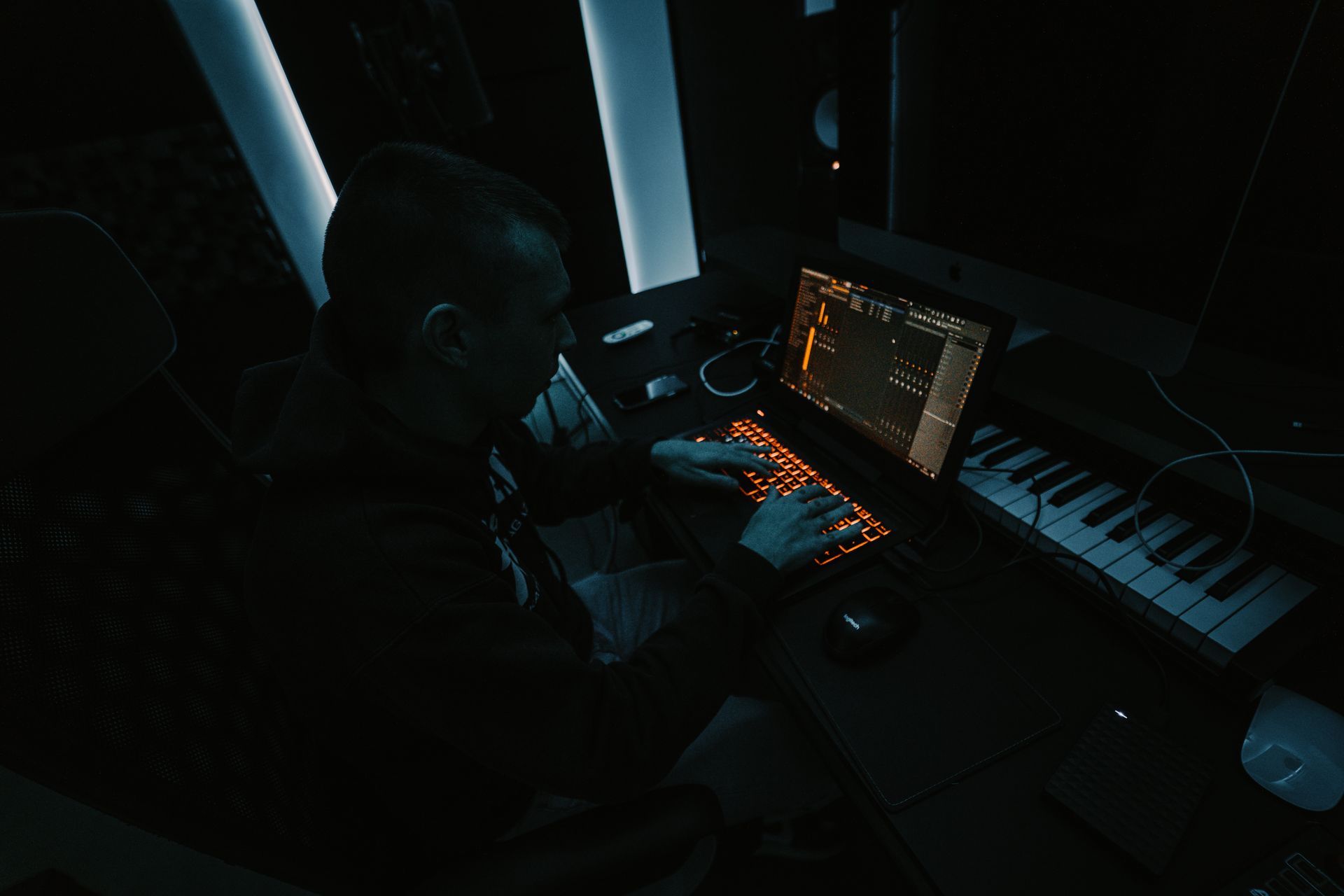
A music producer creates and develops original music.
Producers work with sounds, melodies, rhythms, vocals, and arrangements to create finished tracks.
They are involved in the creative process behind the music, from the initial idea to the final version.
Music producers often work using digital audio workstations (DAWs) such as Ableton Live, Logic Pro, or FL Studio.
What Skills Does a Music Producer Need?
Music production requires a different set of skills compared with DJing.
Producers need to understand sound design, arrangement, recording, mixing, and mastering techniques.
They also need creativity and patience because creating professional music often involves many stages of development.
A producer spends much more time creating music in the studio rather than performing live.
DJ vs Producer: The Main Difference
The biggest difference between a DJ and a producer is their relationship with music.
A DJ works with existing music and creates a performance by combining tracks together.
A producer creates new music and develops original sounds from the beginning.
Simply put, DJs perform music, while producers create music.
Can Someone Be Both a DJ and a Producer?
Yes. Many successful artists are both DJs and producers.
Combining both skills can create more opportunities because artists can perform their own music while also developing a unique identity.
Many famous electronic music artists became successful because they understood both sides of the industry.
Being both a DJ and producer allows artists to have greater creative control over their careers.
Should You Become a DJ or Producer First?
The answer depends on your interests and goals.
If you enjoy performing, discovering music, entertaining audiences, and creating live experiences, DJing may be the right starting point.
If you enjoy creating sounds, experimenting with music ideas, and working in a studio environment, production may suit you better.
Many beginners start with DJing because it provides a strong understanding of music structure, rhythm, and audience response.
Why Learning DJing Can Help Future Producers
DJing can provide valuable knowledge for anyone interested in music production.
DJs develop a strong understanding of what makes music effective on a dancefloor.
This knowledge helps producers create tracks that connect better with audiences.
Understanding energy, arrangement, and crowd response can give producers an advantage when creating music.
Why Producers Can Benefit From Learning DJ Skills
Producers who learn DJing can promote their own music more effectively.
Being able to perform your own tracks allows you to connect directly with audiences and showcase your creative work.
Many modern artists use DJ performances as a way to introduce new music and build their reputation.
Career Opportunities for DJs
DJs can build careers through many different opportunities.
Some DJs focus on nightclub performances, while others specialise in weddings, corporate events, festivals, or online content.
Additional opportunities include teaching, radio, brand partnerships, and creating DJ mixes.
A professional DJ career can develop in many different directions depending on your goals.
Career Opportunities for Producers
Music producers can also follow many different career paths.
They may work as independent artists, create music for other performers, produce commercial tracks, or collaborate with other musicians.
Some producers focus on releasing their own music, while others work behind the scenes helping artists develop their sound.
How DJs and Producers Build Their Identity
Both DJs and producers need to develop a recognisable identity.
In a competitive industry, technical skills alone are not enough. Successful artists build a connection with audiences through their style, creativity, and personality.
This is where branding and artist development become important.
Developing Yourself as a DJ and Artist
For those who want to build a long-term career, combining DJ skills with artistic development can create more opportunities.
Learning how to present yourself, create a professional image, and develop your unique direction can help you stand out.
The
Artist Development Course helps aspiring artists understand the wider skills needed to grow beyond technical ability.
How London DJ Academy Helps You Choose Your Path
London DJ Academy helps students develop practical DJ skills while understanding the wider opportunities available in the music industry.
Whether your goal is to become a DJ, improve your performance skills, or develop as an artist, structured training can help you progress faster.
Beginners can start with the
Beginner DJ Course to build strong foundations before progressing into more advanced areas.
Students who want to explore a wider range of professional opportunities can explore the full selection of
London DJ Academy courses.
Frequently Asked Questions
Is a DJ the same as a producer?
No. A DJ performs and mixes music, while a producer creates and develops original music.
Can a DJ become a producer?
Yes. Many DJs move into music production because they already understand rhythm, structure, and audience response.
Do producers need to learn DJing?
Not necessarily, but DJ skills can help producers perform their own music and understand audiences better.
Which career is better, DJ or producer?
Neither is better. The right choice depends on your interests, creativity, and career goals.
Can I learn both DJing and production?
Yes. Many successful artists develop both skills to create a more complete music career.
Conclusion
When comparing DJ vs producer, the biggest difference is that DJs perform music while producers create it.
Both paths offer exciting opportunities, and many modern artists choose to develop skills in both areas.
The best choice depends on your passion, creativity, and the type of relationship you want to have with music.
Start your journey with London DJ Academy and develop the skills needed to become a confident DJ and future music professional.
Explore London DJ Academy courses and discover the right training path for your goals.