CDJs vs DJ Controllers: Which Is Better for New DJs?
Choosing the right DJ equipment is one of the biggest decisions beginners face when starting their DJ journey. Many new DJs find themselves comparing two popular options:
CDJs vs DJ controllers.
Both setups are used by DJs around the world, but they serve different purposes. A DJ controller is often the preferred choice for beginners because it provides an affordable and simple way to learn, while CDJs are the industry-standard equipment found in many professional clubs.
Understanding the difference between these two setups can help you choose equipment that matches your goals, budget, and learning style.
Whether you want to DJ as a hobby, perform at private events, or eventually play in clubs, choosing the right setup will help you build confidence and develop the correct skills from the beginning.
What Are DJ Controllers?
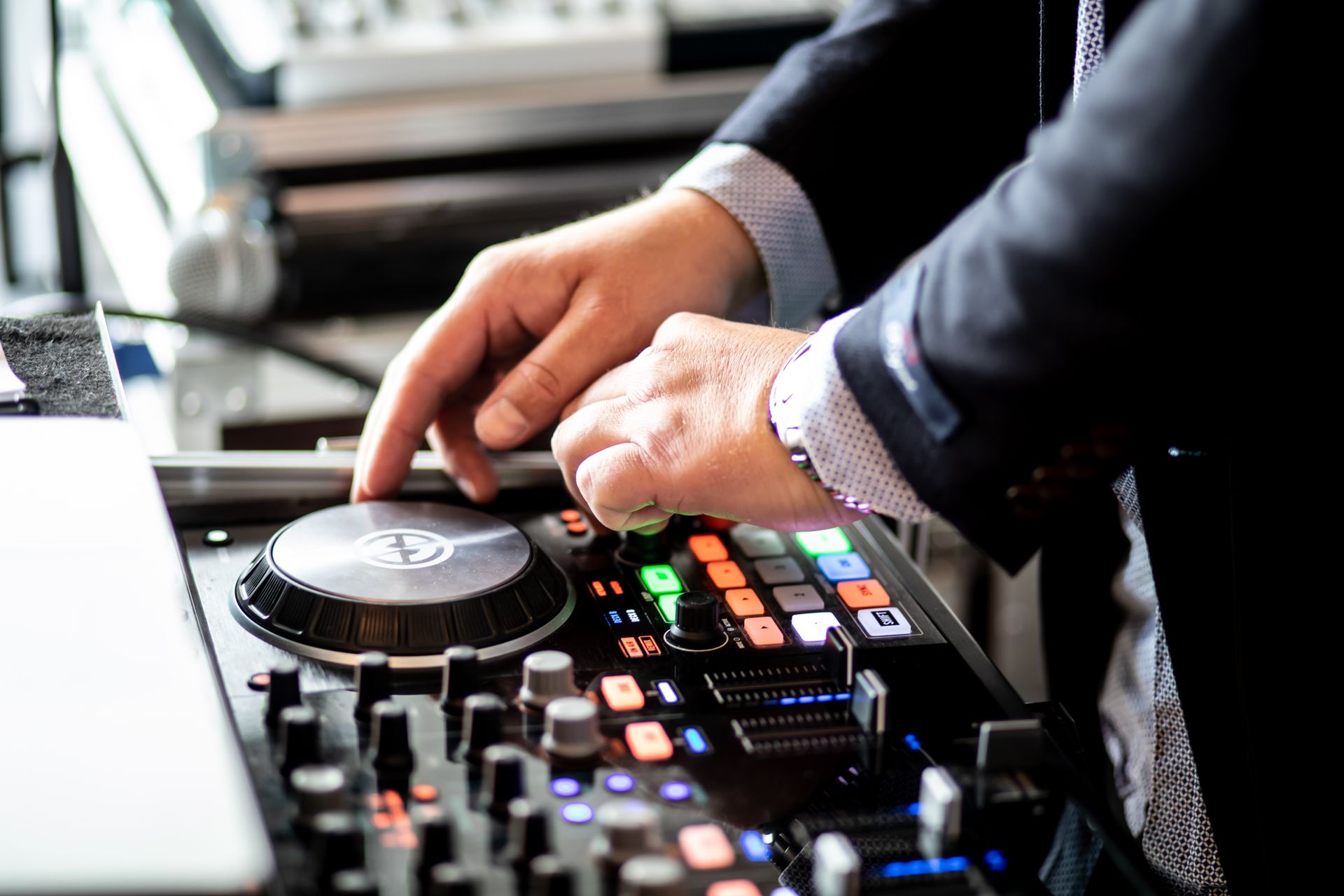
A DJ controller is an all-in-one piece of equipment that allows DJs to control digital DJ software using physical controls.
Instead of using only a laptop keyboard and mouse, controllers provide hands-on access to important DJ functions such as mixing, track control, effects, and performance features.
Most beginner DJs start with controllers because they provide everything needed to learn the fundamentals without requiring multiple expensive pieces of equipment.
A typical DJ controller connects to a laptop running DJ software, allowing the user to manage music, create mixes, and practise different techniques.
What Are CDJs?
CDJs are professional DJ players commonly used in clubs, festivals, and professional venues around the world.
Although the name originally came from “Compact Disc Jockey”, modern CDJs are mainly used with digital music stored on USB drives.
Professional DJs use CDJs because they closely match the equipment found in many club environments. Learning to use them can be valuable for anyone who wants to perform professionally.
A CDJ setup usually includes separate players combined with a professional mixer, creating a more traditional club-style DJ experience.
DJ Controllers vs CDJs: The Main Differences
The biggest difference between DJ controllers and CDJs is the way they are designed to be used.
DJ controllers are created with learning, flexibility, and affordability in mind. They combine many features into one device and work alongside DJ software.
CDJs are designed for professional performance environments where reliability, performance control, and industry compatibility are extremely important.
For beginners, the decision usually comes down to learning goals, budget, and future ambitions.
Why Beginners Often Choose DJ Controllers
For most people learning DJing for the first time, a DJ controller is the easiest place to start.
The biggest advantage of a controller is that it provides a complete learning environment without requiring a large investment.
Beginners can learn essential skills such as mixing, beatmatching, transitions, track preparation, and using effects while becoming familiar with the basic layout of professional DJ equipment.
Controllers are also easier to practise with at home because they are compact, portable, and designed for personal setups.
Advantages of DJ Controllers
One of the main reasons controllers are popular is their accessibility. They allow beginners to start DJing without needing a large budget.
Modern controllers also include many creative features that help new DJs experiment and develop their own style.
Another advantage is that controllers work directly with DJ software, making it easier to organise music, prepare sets, and practise different techniques.
For someone starting from zero, a controller provides everything needed to understand how DJing works.
Why Professional DJs Use CDJs
CDJs are popular among professional DJs because they are the equipment most commonly found in clubs and major venues.
A DJ who wants to perform professionally may eventually need to become comfortable using CDJs because they are widely used throughout the industry.
CDJs provide a more traditional performance experience and help DJs develop skills that translate directly to club environments.
However, this does not mean beginners need to start with CDJs immediately.
Advantages of CDJs
The biggest advantage of CDJs is their professional standard.
When DJs perform at clubs, they often need to adapt quickly to different equipment setups. Being familiar with CDJs can make that transition much easier.
CDJs also encourage DJs to focus more on performance, music selection, and manual control rather than relying heavily on computer-based features.
Are CDJs Harder to Learn Than DJ Controllers?
CDJs are not necessarily harder to use, but they usually require a stronger understanding of DJ fundamentals.
Because CDJs are closer to traditional professional setups, beginners may find them less forgiving compared with modern controllers.
Learning on a controller first can help beginners understand the basics before moving towards a professional CDJ setup.
Which Is More Affordable: CDJs or DJ Controllers?
DJ controllers are generally much more affordable than a complete CDJ setup.
A beginner can purchase a controller and begin practising without making a large financial commitment.
A professional CDJ setup usually requires multiple pieces of equipment, including players, a mixer, headphones, and additional accessories.
For beginners who are still exploring DJing, a controller usually provides better value.
Should Beginners Learn on CDJs?
There is no rule that says beginners cannot start with CDJs. Some students prefer learning on professional equipment from the beginning because they want to prepare for club performances.
However, the most important thing is developing strong DJ skills rather than focusing only on equipment.
A beginner who understands mixing, music structure, and performance techniques will adapt to different equipment much more easily.
Which DJ Setup Is Best for Different Goals?
The best choice between CDJs and DJ controllers depends on what you want to achieve with DJing.
There is no single setup that is perfect for everyone. A beginner learning for fun will have different needs compared with someone who wants to become a professional club DJ.
For Beginners Learning at Home
For most beginners, a DJ controller is the best starting point.
A controller provides everything needed to understand DJ fundamentals without making a large financial investment. It allows new DJs to practise regularly, experiment with different techniques, and build confidence before moving towards more advanced equipment.
For someone who is completely new to DJing, learning on a controller creates a comfortable environment where mistakes can be corrected and skills can gradually improve.
For Mobile DJs and Event DJs
DJ controllers are also popular among mobile DJs who perform at private events, weddings, parties, and smaller venues.
The portability of controllers makes them practical because DJs can easily transport their equipment and set up quickly in different locations.
Many professional mobile DJs use controllers because they provide flexibility without sacrificing performance quality.
For Club DJs
DJs who want to perform in clubs should eventually become familiar with CDJs.
Since CDJs are commonly used in professional venues, understanding how they work can make it easier to prepare for real-world performances.
However, starting with a controller does not prevent you from becoming a successful club DJ. Many professional DJs began with simple setups before progressing to industry-standard equipment.
Can You Switch From a DJ Controller to CDJs?
Yes, moving from a DJ controller to CDJs is a natural progression for many DJs.
The skills you learn on a controller transfer directly to professional equipment. Techniques such as beatmatching, track selection, mixing, and understanding music structure remain the same.
The main differences are the layout, workflow, and additional features available on professional systems.
A DJ who understands the fundamentals will usually adapt to CDJs much faster than someone who relies only on automatic features.
How to Prepare for Playing on CDJs
If your goal is to perform in clubs, it is useful to develop habits that match professional DJ environments.
This includes learning how to:
- Prepare music properly
- Create organised playlists
- Use cue points effectively
- Understand tempo and timing
- Perform without depending completely on visual software features
These skills will make the transition from a controller to CDJs much smoother.
Why Skills Matter More Than Equipment
One of the biggest mistakes beginners make is believing that expensive equipment will make them a better DJ.
The reality is that equipment is only a tool. A professional DJ is created through practice, creativity, music knowledge, and experience.
A talented DJ using a beginner controller can create a much better performance than someone using expensive club equipment without understanding how to control a crowd or build a set.
The focus should always be on developing your skills first.
Should You Buy CDJs as Your First DJ Setup?
For most beginners, buying CDJs as a first setup is not necessary.
CDJs are excellent professional tools, but they are expensive and may include features that beginners do not immediately need.
A better approach is usually to start with a quality DJ controller, learn the fundamentals, and upgrade when your experience and goals require it.
This allows you to invest your money wisely while building the skills that matter most.
How Professional DJ Training Helps You Master Different Equipment
Learning DJing with professional guidance can help you understand both beginner and professional equipment more effectively.
A structured DJ course teaches you the principles behind mixing rather than simply showing you how to operate one specific piece of equipment.
This means you can develop skills that transfer across different setups, whether you are using a controller at home or CDJs in a professional venue.
How London DJ Academy Helps DJs Prepare for Professional Equipment
London DJ Academy helps aspiring DJs develop the confidence and skills needed to work with professional DJ equipment.
Students learn the foundations of DJ performance while gaining practical experience with industry-standard techniques and equipment.
The training focuses on helping students understand:
- DJ equipment and controls
- Professional mixing methods
- Performance preparation
- Music organisation
- Club-style DJ techniques
Whether you are starting with a controller or preparing to move towards CDJs, learning the correct techniques from experienced instructors can accelerate your progress.
Frequently Asked Questions
Are DJ controllers better than CDJs for beginners?
For most beginners, DJ controllers are the better option because they are more affordable, easier to practise with, and provide everything needed to learn the basics.
Do professional DJs use controllers?
Yes. Many professional DJs use controllers, especially for mobile performances, studio work, and certain live setups. However, CDJs remain common in many clubs.
Should I learn CDJs or a controller first?
Most beginners benefit from learning on a controller first because it provides an affordable and simple introduction to DJing.
Can DJ controller skills transfer to CDJs?
Yes. The fundamental skills of mixing, timing, music selection, and performance transfer easily between different DJ systems.
Are CDJs expensive compared with DJ controllers?
Yes. A complete CDJ setup usually costs significantly more because it requires separate players, mixers, and additional equipment.
Conclusion
When comparing
CDJs vs DJ controllers, the best choice depends on your goals, experience level, and budget.
For beginners, a DJ controller is usually the most practical starting point because it provides an affordable way to learn essential skills and practise regularly.
For DJs who want to perform professionally in clubs, learning CDJs is an important step because they are widely used in the industry.
The most important investment is not your equipment but your knowledge, practice, and dedication. With the right training and consistent effort, you can progress from beginner equipment to professional DJ performance.
Start your DJ journey with London DJ Academy and learn the skills needed to confidently perform on any DJ setup.